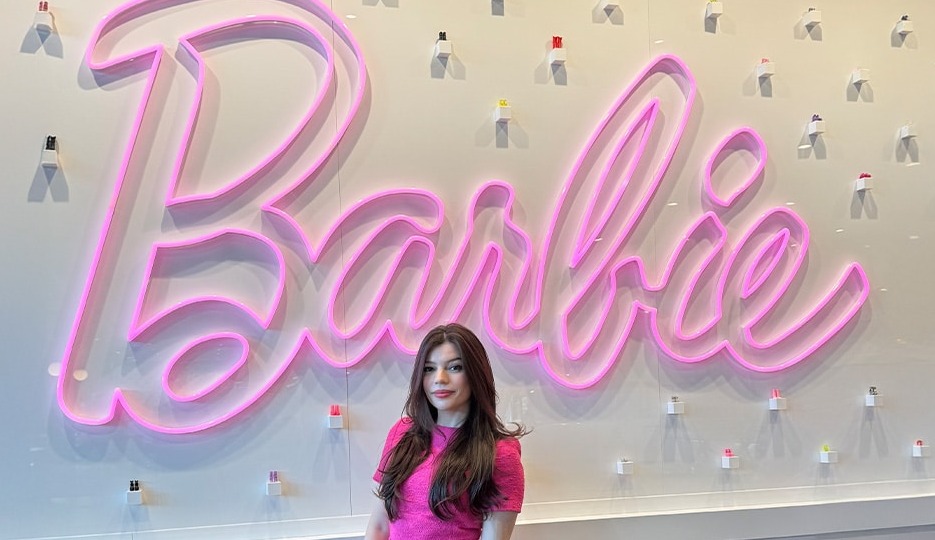
Bridging East and West: Fashion UK’s Strategic Vision for Global Licensing Growth
 1.9.2026, 12:00:00 AM
 345
345



Home /Media Center / Press Release / Bridging East and West: Fashion UK’s Strategic Vision for Global Licensing Growth
1.9.2026, 12:00:00 AM
345
Fashion UK, Europe’s leading licensed apparel and accessories supplier, continues to expand its global reach. With operations across the UK, Germany, France, Italy, Spain, Poland, and Benelux, the company represents major entertainment properties from Disney to Netflix. We spoke with Pally Mattu about Fashion UK’s international strategy, brand scouting philosophy, and their participation in the first Licensing Magazine International Delegation to China Licensing Expo 2025.

Our key market is EMEA, covering every country in Europe, the Middle East, and Africa. We have grown from modest beginnings in the UK to become Europe’s largest licensed apparel supplier, with offices in multiple territories and manufacturing facilities in China, Bangladesh, India, and Turkey.
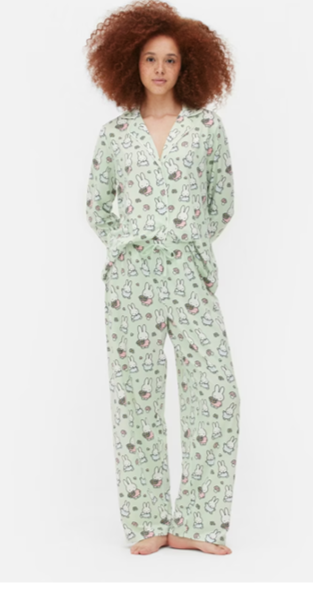
We examine all options thoroughly, especially focusing on emerging brands that show strong potential to become new icons. We balance established properties that offer stability with new IPs that could become future cultural sensations, creating value for retail partners.
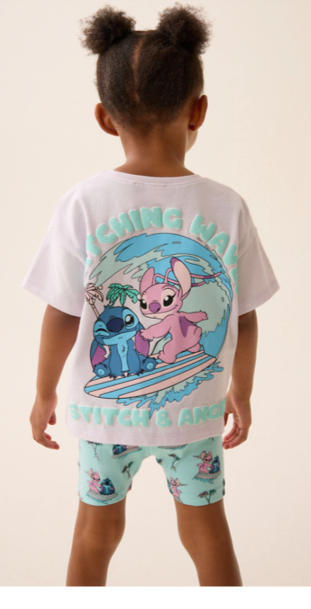
While we have a strong sourcing base in China for manufacturing, attending CLE allowed us to discover the incredible intellectual properties emerging from China that can be introduced to global audiences. The experience was eye-opening, showcasing thousands of IPs with sophisticated brand strategies.

The key advantage is spotting potential trends and IPs in Asian markets before they expand to EMEA. However, challenges include cultural differences, varying IP legal systems, language barriers, and the need to ensure properties appeal to European consumers while managing regulatory differences.

Wildbrain CPLG appoints Marie Kopp as Vice President Asia-Pacific
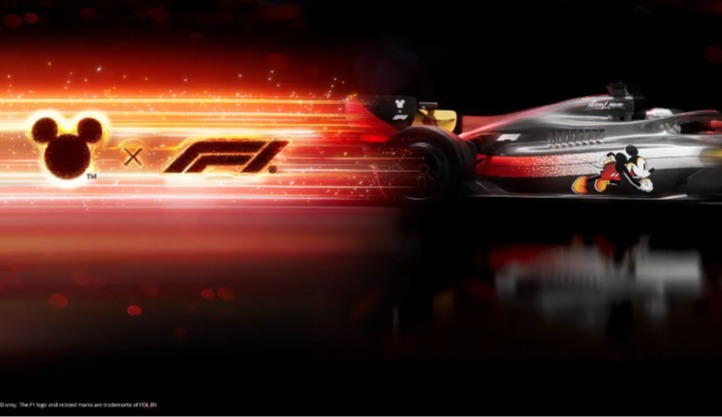
Disney and Formula 1 Expand 'Fuel the Magic' Partnership for 2026 Race Season
Collaboration brings new content, products and experiences inspired by Mickey & Friends and F1 to fans worldwide.

Hasbro’s Chris Cocks on AI, Tariffs, and ‘A Lifetime of Play’
Inside the strategy driving diversification, faster innovation, and a collector-powered future.

Hot Wheels, Action Figures Carry Mattel Q4 Amid a Mixed Year
A big fourth quarter brought momentum that bodes well for Mattel as it kicks off a new year with fresh deals and major moments on the horizon.