Fan-Driven Play: How Fandom is Shaping the Toy Industry in 2026
 2.27.2026, 12:00:00 AM
 1005
1005



Home /Media Center / Press Release / Fan-Driven Play: How Fandom is Shaping the Toy Industry in 2026
2.27.2026, 12:00:00 AM
1005
Fandom continues to be a central force driving how consumers discover, evaluate, and purchase toys and games.
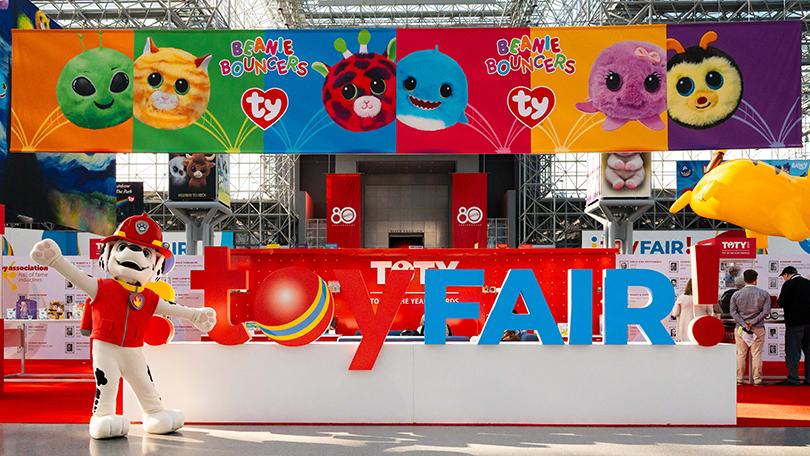
At Toy Fair in New York last month, the U.S. Toy Association announced it has identified “Fan-Driven Play” among its 2026 toy trends to watch. This recognition highlights how toymakers are responding to both cultural changes and measurable market performance: licensed toy sales grew 15% last year and now represent 37% of the global toy market — the highest level to date (Circana).
This evolution marks a shift from the past, when licensed toy sales often aligned with film releases or TV schedules, or more recently, received a bump when they hit streaming platforms. Today, year-round cultural conversation is more important than ever. Streaming, sports, gaming, memes, and online fan communities now inspire and drive products on shelves at a rapid rate.
“Cultural, fan-based trends and conversations on social media are having a major impact on product development in the toy and play space,” says Kristin Morency Goldman, senior director of strategic communications at The Toy Association. “Toy companies are monitoring fan engagement, identifying where enthusiasm is building organically, and striving to meet consumer demand in real-time.”
For example, K-Pop Demon Hunters, one of the most talked-about entertainment properties heading into 2026, built momentum rapidly through online fan communities, memes, and social sharing across platforms, not solely through traditional promotion. Now, we are seeing this translate into toys and games that resonate with fans for 2026.
Beast Kingdom has announced a comprehensive licensing partnership to bring the world of Netflix's “KPop Demon Hunters” to collectors in Asia. The upcoming line will feature the company's signature Mini Egg Attack (MEA) blind boxes, premium plushies, detailed keychains and other lifestyle accessories.
Morency Goldman added: “Successful companies are able to translate cultural moments into products in a way that feels authentic to the fan.”
Established franchises are also adapting to this cultural shift, showing how staying relevant means being both flexible and forward-thinking. When Bluey ended its season with a wedding storyline, Moose Toys quickly released a wedding-themed figure set, knowing fans of all ages would want to relive the moment. Milestone anniversaries, likewise, create special opportunities to keep brands top of mind.
Looking beyond traditional entertainment, sports offer another lens, particularly as the industry prepares for the upcoming FIFA World Cup. Global football fandom operates continuously, with club loyalty, player influence, gaming ecosystems, and social media sustaining engagement between tournament cycles. This dynamic creates broader opportunities for both officially licensed and football-adjacent programmes, from collectibles and sports toys to fashion dolls and lifestyle extensions. As the tournament approaches, digital conversation will intensify well before kickoff, enabling companies to align product strategies with the wider cultural build-up.
“Together, what we see is that fandom is no longer a side note,” said Morency Goldman. “It sits firmly at the heart of the toy industry’s momentum in 2026. Its influence is visible not only in sales figures but also in how brands approach product launches, storytelling, and their relationships with fans.”
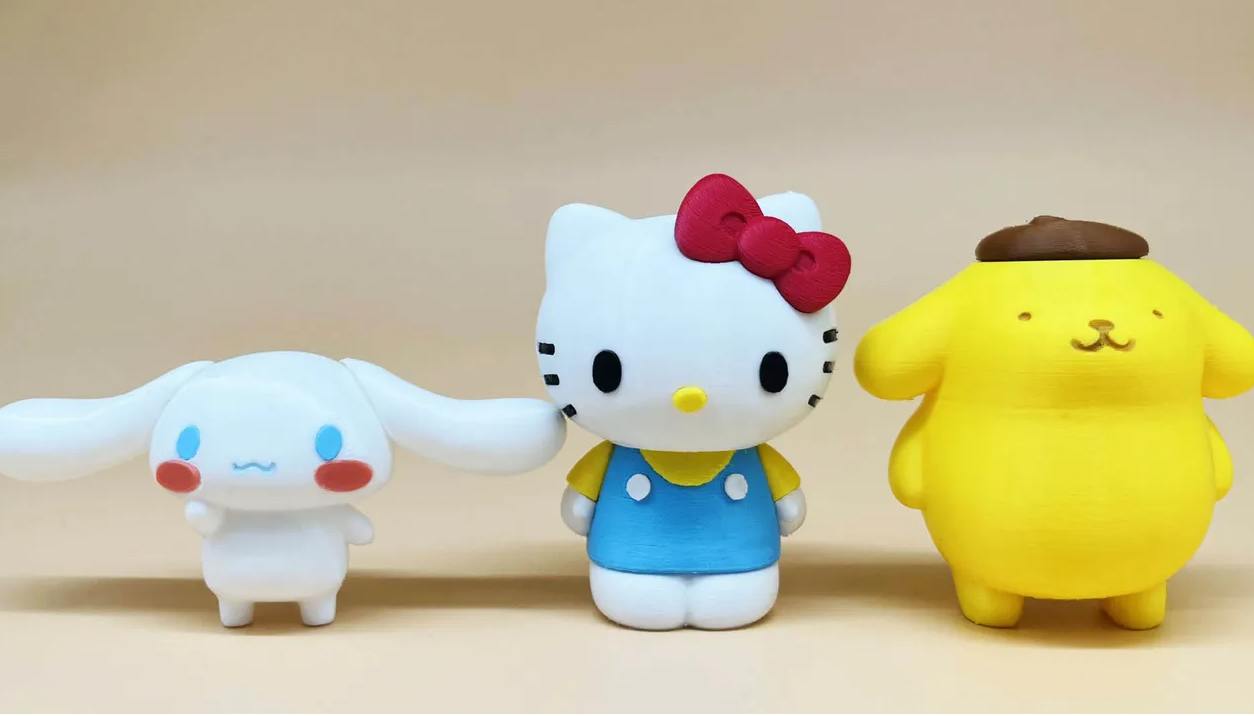
Sanrio Licenses Hello Kitty and Friends to Toybox 3D Printing Platform
Toybox Labs has signed a licensing agreement with Sanrio to feature Hello Kitty and Friends on its 3D printing platform for children and families.
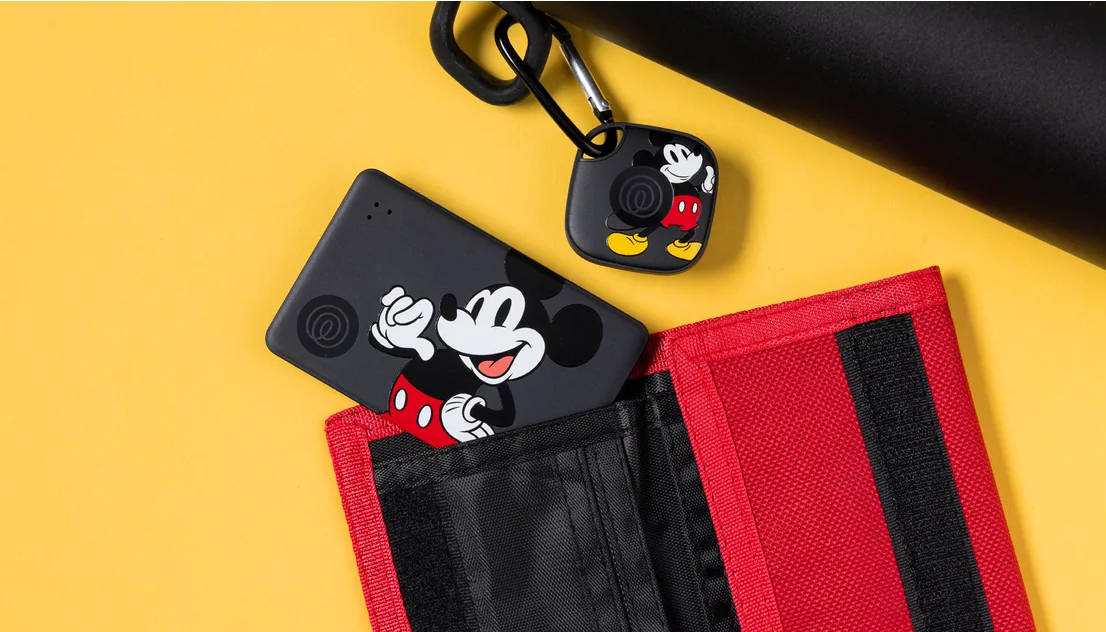
Disney and Life360 Launch Mickey Mouse and Minnie Mouse Tile Tracker Collection
Life360 has announced a collaboration with Disney on a collection of Tile trackers featuring Mickey Mouse and Minnie Mouse.
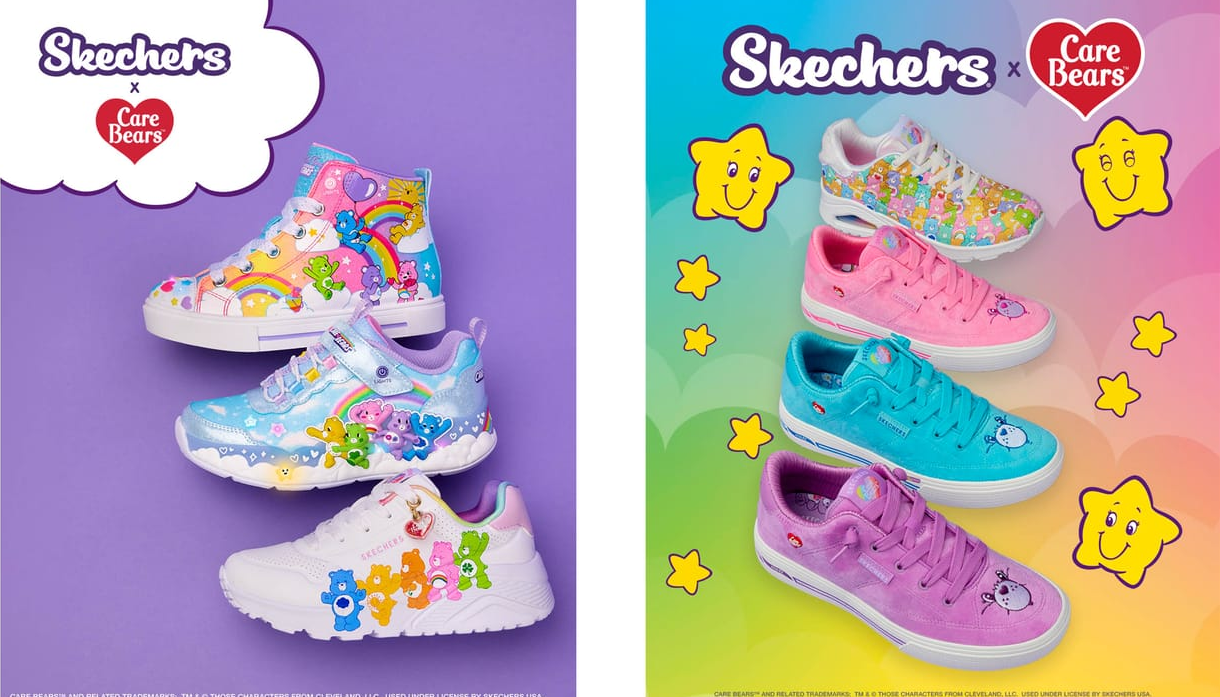
Skechers and Care Bears Collab on Comfort
Skechers and Cloudco Entertainment are celebrating the spirit of kindness with the launch of Skechers x Care Bears, a collaboration for fans who grew up with the characters and today's Y2K fashion seekers.
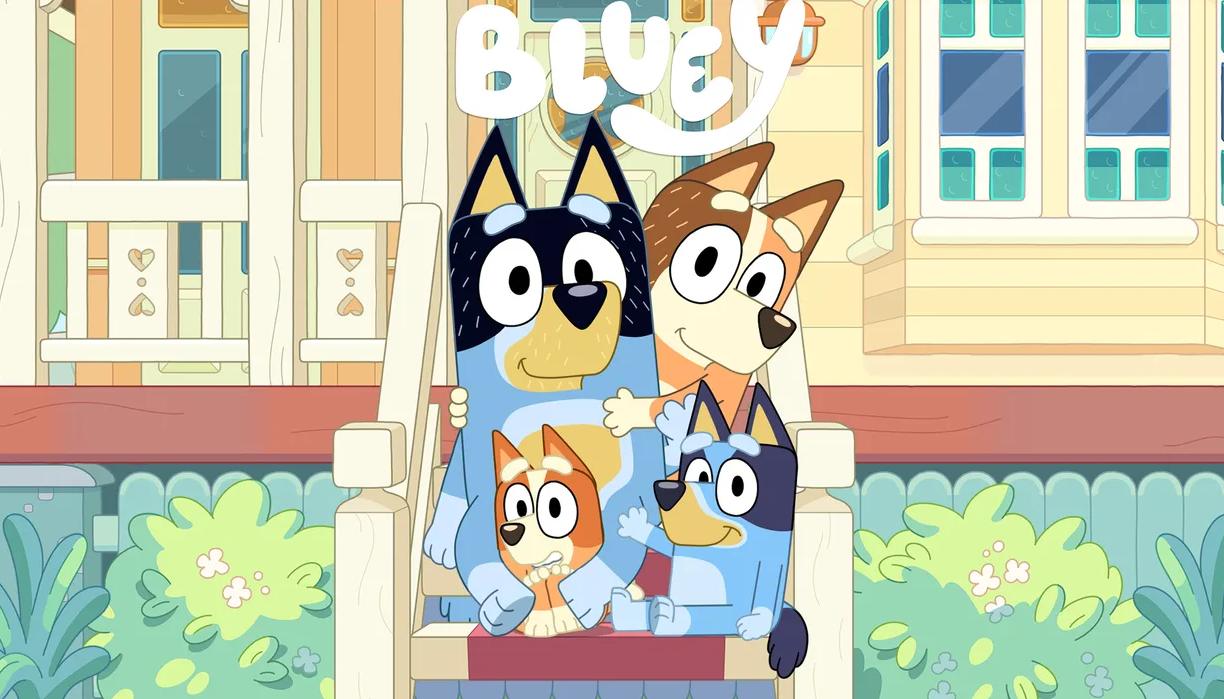
‘Bluey’ Appoints Master Licensing Agent in Japan
BBC Studios has officially appointed Hakuhodo as the new master licensing agency for "Bluey" in Japan, formalizing a partnership that aims to drive strong commercial collaborations and successful brand-building moments.