How Licensing Redefined Culture and Commerce: License Global’s 2025 Year in Review
 12.19.2025, 12:00:00 AM
 537
537



Home /Media Center / Press Release / How Licensing Redefined Culture and Commerce: License Global’s 2025 Year in Review
12.19.2025, 12:00:00 AM
537
The brand licensing industry has kept consumers on their toes this year. Unpredictable collaborations came to fruition, brands and intellectual properties (IPs) have expanded and deeper connections between culture, consumers and brands were made .
As 2025 comes to a close, License Global reflects on the sectors of the industry that experienced shifts, the collaborations that forged unforgettable bonds with consumers and where the industry is headed next.
One of the most prominent developments industry professionals saw this year in licensing is the beginning of a generational shift in consumer behavior. In License Global’s Top Global Licensors whitepaper, millennials currently lead licensed product purchasing at 28%, with Gen Z and Gen Alpha expected to take a slight lead in 2026.
“Gen Z and Gen Alpha are reshaping the landscape in a big way,” says Marta Ballesteros, global licensing manager, Perfetti Van Melle. “They crave authenticity, creativity, community and purpose, but also surprise and virality. They want to be part of the story, not just passive consumers.”
The influence of Gen Z and Gen Alpha on the licensing industry includes an increase in location-based experiences (LBEs) due to the generations’ desire to be part of the story. For instance, Hasbro opened a second “Peppa Pig” theme park in Dallas, T.X. in March, featuring five new rides, interactive attractions, themed play areas, shows and a variety of dining options.
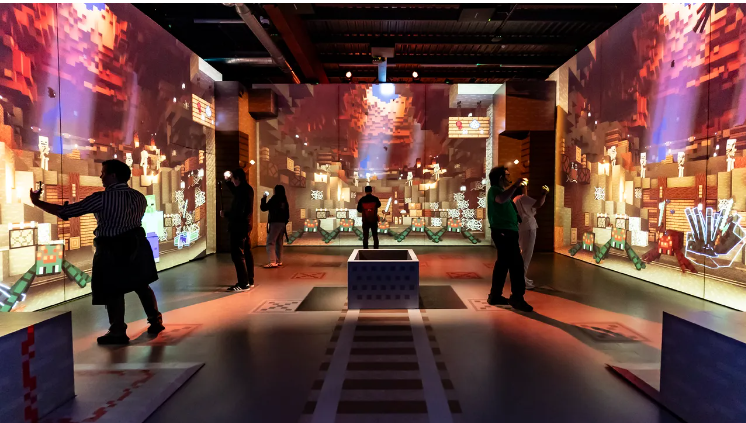
Supply + Demand x “Minecraft”
The industry also saw a limited-edition accessory collaboration and pop-up activation between luxury fashion house Tory Burch and Swedish candy brand, BonBon. The activation, which celebrated the brands' accessory collection, featured a pick-and-mix pop-up with whimsical and playful designs at the Gansevoort Plaza in New York City. The pop-up quickly became a viral sensation due to its combination of BonBon’s mass following and its reinterpretation of Burch’s iconic styles and products, such as the Miller sandal and Fleming bag, with the colors, textures and flavors of BonBon’s Swedish candies. This collection was BonBon’s first-ever collaboration and a rare partnership for Burch, featuring items like “sugar” beaded shoes, candy-inspired earrings and bags with BonBon charms.
“Tory was one of our first supporters,” says Selim Adira, co-founder, BonBon. “This beautiful collection showcases the authentic colors and textures only found in Swedish candy. Each piece reflects our motto that growing up is a trap.”
Overall, these collaborations showcase that the future of licensing belongs to brands that can seamlessly blend entertainment, heritage and commerce into experiences that feel both fresh and timeless.
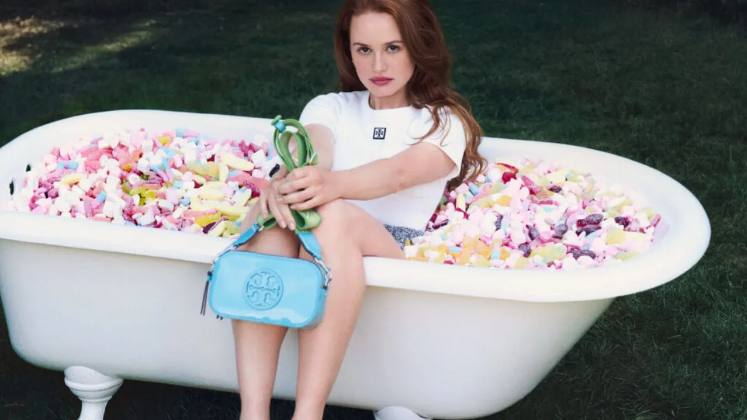
Tory Burch x BonBon
Alongside a shift in consumer behavior and brands integrating themselves into culture, food and beverage (F&B) has demonstrated remarkable growth in licensing this year and hold massive potential for next year. Noted in License Global’s 2025 Top Global Licensors whitepaper, brands active in F&B generated $7.4 billion in licensed consumer product retail sales in 2024. AI Invest, a real-time market news and fintech platform, also stated in “Disney Dominates Global Licensing with $62 Billion in Retail Sales” that 52% of brand owners rank F&B as a top strategic category.
This growth in F&B has resulted in many delicious collaborations and partnerships, as well as some eye-catching ones, such as the KFC x hismile collaboration. The fast-food chain and oral care company joined forces in April to create a limited-edition toothpaste inspired by KFC’s iconic 11 herbs and spices, aiming to replicate the taste of KFC’s Original Recipe chicken. However, the odd thing about this collaboration was not the flavor; the collaboration wasn’t even supposed to be real.
“This started as an April Fools’ joke, but we thought, why not make it real?” says Koban Jones, marketing manager, hismile. “We love pushing boundaries, and what better way to do that than by bringing KFC’s legendary flavors into an everyday essential. The toothpaste, which sold out in 48 hours, was like biting into a hot, juicy piece of KFC Original Recipe chicken. The toothpaste is irresistible, coating your teeth in flavor while leaving the mouth feeling fresh and clean.”
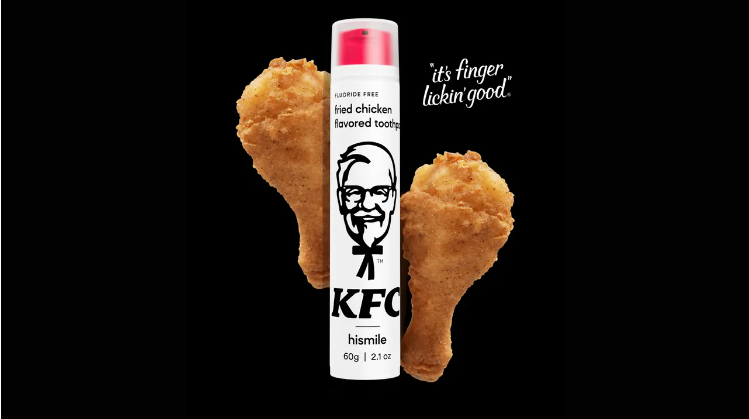
Hismile x KFC Fried Chicken Flavored Toothpaste
Another eye-catching F&B collaboration was the limited-edition return of the McDonald’s x Monopoly promotional game. Initially launched in the U.S. in 1987, the game quickly became one of the most iconic and successful promotional campaigns in quick-service restaurant history. The game’s comeback coincided with Hasbro’s celebrations of Monopoly’s 90th anniversary. The McDonald’s x Monopoly promotional game ran from October to November. To play, fans had to obtain game pieces by purchasing eligible menu items, such as large fries, a Big Mac and large drinks. Each piece was either an instant win prize or a Monopoly property that fans could collect to win a larger prize.
There has also been a bigger spotlight on the sports category in 2025. Formula 1 (F1), a sector of car racing, has transformed the niche sport into mainstream entertainment, making it an attractive target for brand partnerships, especially in the lifestyle and fashion sectors. For instance, Louis Vuitton created trophy trunks, TAG Heuer became the Official Timekeeper and Moët & Chandon took on the role of official Champagne, combining luxurious experience with performance.
“We’ve seen a significant influx of new fans over the past five years, driven by ‘Drive to Survive’ and F1’s growing presence in popular culture,” says Emily Prazer, chief commercial officer, Formula 1, to License Global in the October 2025 cover story. “The show has been transformational for Formula 1, opening the door to new global audiences, particularly amongst younger and female fans. It has brought what fans crave – the behind-the-visor stories of the sport and made it mainstream culture, sparking conversations far beyond the motorsport community.”
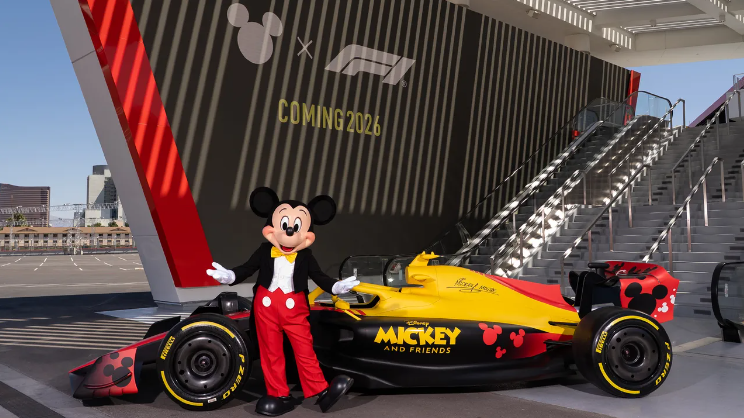
Disney x Formula 1
Other partnerships F1 made in 2025 include Disney, Mattel’s Hot Wheels, Sanrio’s Hello Kitty, A Bathing Ape (BAPE), PepsiCo, Pottery Barn, Perfect Moment (a luxury skiwear and lifestyle brand), Apple Original Films, Warner Bros. Pictures and many more.
This amplification is also evident in women’s sports. The overall women’s sports merchandise market now represents approximately $4 billion in the U.S. alone, with revenue growing at more than four times the rate of the men’s sports market, according to a report produced by McKinsey & Company. The report also noted women’s sports could generate at least $2.5 billion in value for rights holders in the U.S. by 2030. This growth in value stems from increased fan and media visibility, a rising appreciation for female sports, increased female purchasing power and victories by female athletes, such as Simone Biles, who have been fighting for equal sports policies and regulations on the global stage.
USA Basketball Women’s National Team named Glossier as an official beauty partner, while e.l.f. Cosmetics and the National Women’s Soccer League announced a multi-year partnership that aims to democratize access for women in sports and provide a platform to amplify women’s voices. Other women’s sports brand licensing collaborations this year include Skims x League One Volleyball; Coach x Women’s National Basketball Association; Barbie x Professional Women’s Hockey League; Maybelline x Women’s National Basketball Association Canada and more.
Consumers developed a fondness for products, including trading cards, video games adapted into movies, nostalgic “kidult” collectibles, apparel and plush toys as well. POP MART’s Labubu craze is one of the most memorable plush toys to come out in 2025. The dolls’ creepy and cute aesthetic captured the attention of people of all ages and demographics, sparking long lines outside toy stores, selling out online within minutes and being listed for double or triple their original price on resale markets. A key factor in the dolls’ massive appeal was their blind box – consumers didn’t know what they would get until they opened it. The Labubu attracted celebrities like Kim Kardashian, Rihanna, Dua Lipa, Lizzo and David Beckham, as well as brand partnerships with Tarte, Louis Vuitton and Coca-Cola. The craze is set to continue, as Sony Pictures has announced its acquisition of the screen rights for the brand.
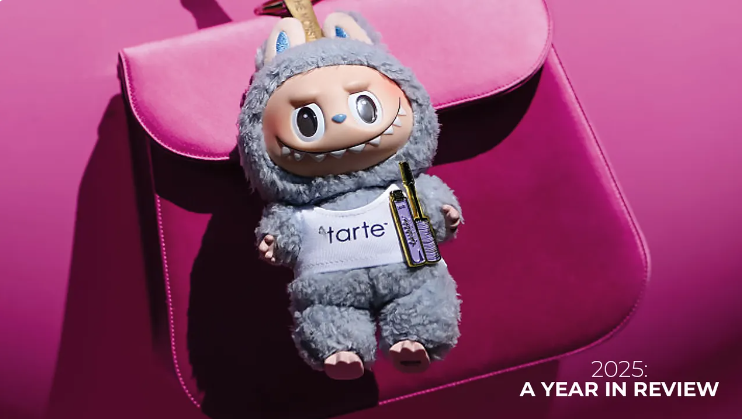
Labubu×tarte
The Care Bears x “Wicked” plush collaboration also took the world by storm. It was a limited-edition collection between Cloudco Entertainment (the owner of the Care Bears IP) and Universal Products & Experiences that aimed to spread the values – friendship, courage and the power of caring – conveyed in the film “Wicked: For Good.” Five Care Bears were interpreted as characters from the Land of Oz (Glinda, Elphaba, the Tin Man, Scarecrow and Lion) with themed costumes and custom belly badges.
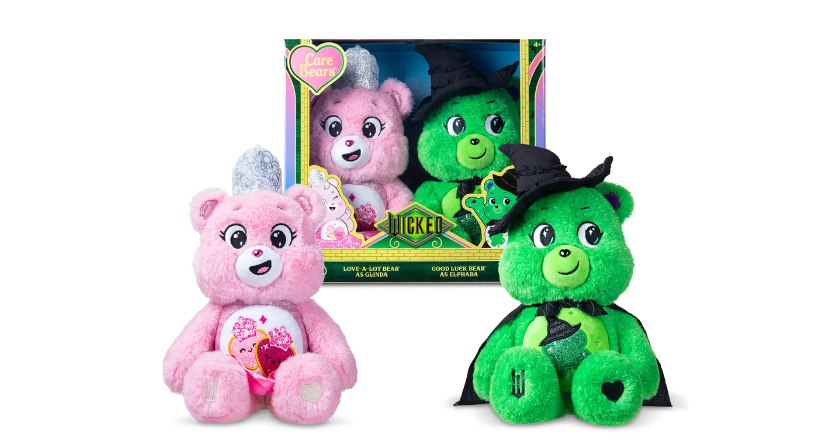
Care Bears x "Wicked" Plushies
A surprise hit this year was Netflix’s “KPop Demon Hunters.” The streaming series didn’t plan a brand licensing rollout timed to the Netflix debut, but there were releases from Nongshim Shin Ramyun (F&B), Funko (collectibles), Spirit Halloween (costumes), Yoto (audio) and Bioworld Merchandise (apparel and accessories) following the premiere. A landmark toy deal between Mattel and Hasbro for “KPop Demon Hunters” made waves this year.
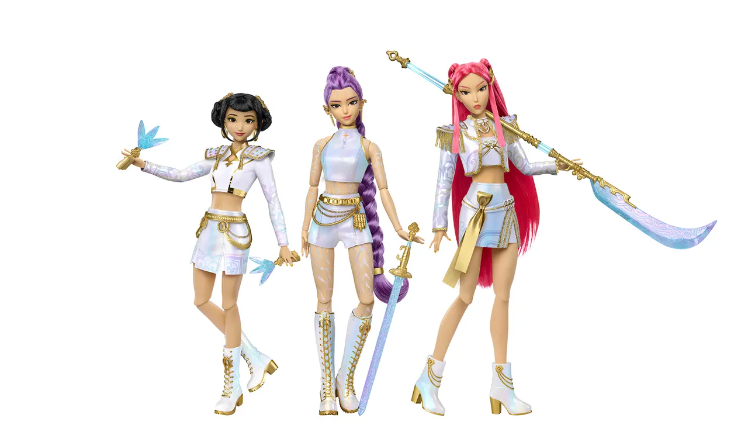
“KPop Demon Hunters” Dolls from Mattel
Altogether, one saw rare partnerships form, cultural shifts and new influences, resulting in a historic year for the industry. Next year, people can expect to see sports-licensed merchandise and partnerships continue to rise, especially with the FIFA World Cup coming to the U.S. Additionally, hyper-personalization and products tailored to individual tastes and identities are expected to increase, unexpected cross-category mashups and AI influence on licensing structures and agreements.
This story was taken from the 2025 Issue 4 of License Global
Warner Bros. Celebrates 25 Years of ‘Harry Potter’ Magic
The company’s anniversary plans feature exclusive products, screenings, and more.
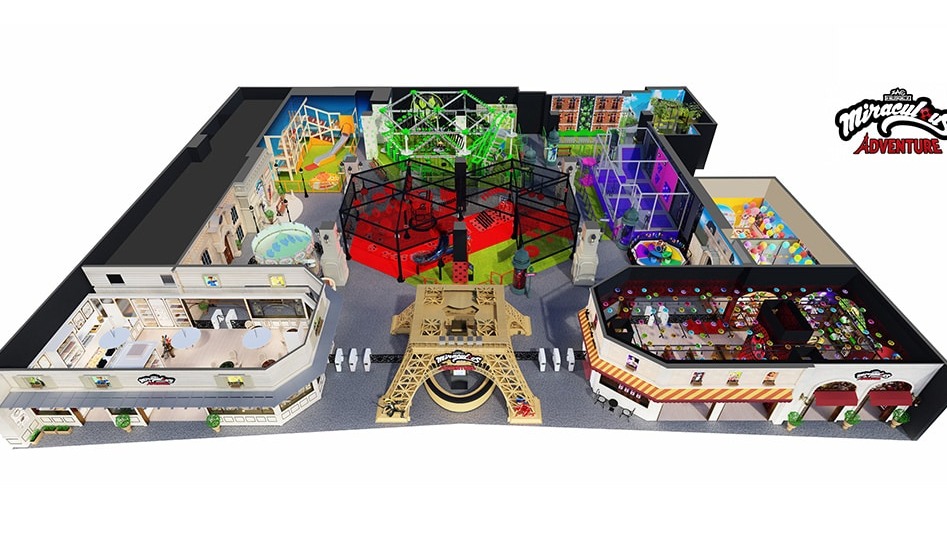
Miraculous Corp Signs Ground Control Entertainment for First Miraculous Family Entertainment Center
The destination opens in Mall of Qatar in Spring 2026.
Bridgerton S4 Announces Fan Celebrations, New Collaborations & More with New Season of Love Campaign
The ‘Season of Love’ is upon us: unmask your fairytale and step into the world of Bridgerton through events, partnerships, and activations across the globe.
NEW RESEARCH REVEALS FANDOM IS A FAMILY AFFAIR – AND BRANDS ARE MISSING A TRICK